
Darts Singles Training rules
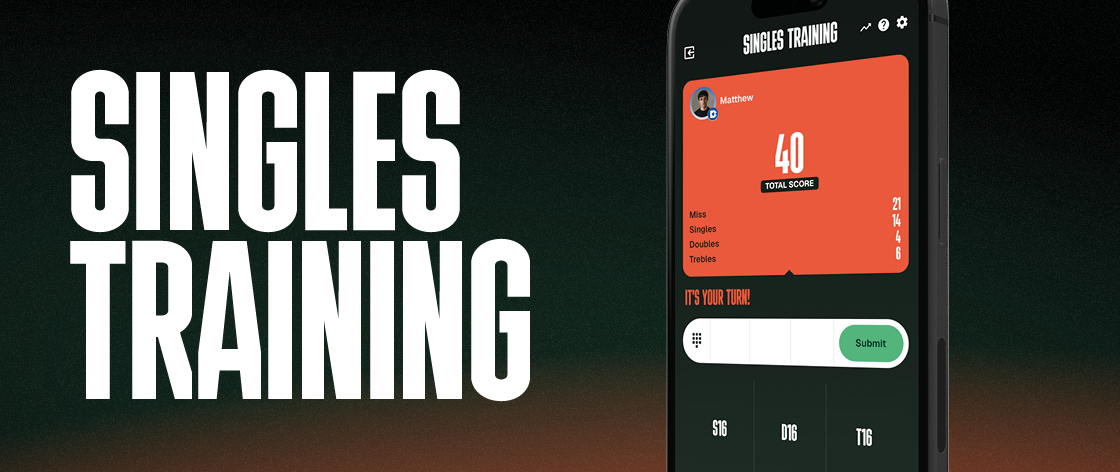
Singles Training is a structured darts practice game designed to improve accuracy across the entire dartboard. Each round focuses on one target number, with three darts available to score as many points as possible.
Every number has the same scoring potential. A hit on 1 is therefore just as valuable as a hit on 20. This removes the advantage of high-value scoring areas and makes your final result a direct measure of target accuracy and board control.
How to play Singles Training
Each round focuses on one target number. You have three darts to score as many points as possible on that target. After all three darts have been thrown, you move on to the next number regardless of how many times you hit the previous target.
A complete session takes you through all twenty numbers and the bull. With three darts available for each target, a full game consists of 63 darts.
When playing alone, the objective is to achieve the highest total score possible. When playing with friends, every player receives the same targets and number of darts, allowing you to compare scores throughout the session. For explanations of singles, doubles, trebles and the bull, visit our darts glossary. Our darts rules guide provides more information about scoring areas, turns and standard gameplay.
Singles Training scoring
The points you score are based on the segment rather than the numerical value of the target.
This means that a single 3 and a single 20 both score one point. A double scores two points and a treble scores three, regardless of the active number. Because you have three darts per round, the maximum score on a numbered target is nine points. To achieve this, all three darts must land in the treble segment. If all three darts miss the active target, you score zero points for that round.
The final round focuses on the bull. An outer bull scores 1 point and a bullseye scores 2 points. As with the numbered targets, you have three darts to score as many points as possible. Points from every round are then combined into one final score.
Game settings
You can choose the order in which the targets appear.
Low to High
Start at 1 and work your way up through the numbers.
High to Low
Begin at 20 and move down towards 1.
Random
Targets appear in an unpredictable order. This prevents you from automatically preparing for the next number and requires you to reset your aim throughout the session. The selected order changes the route through the board, but every player still receives three darts at each target. For another full-board practice game with similar progression options, you can also play Around The Clock.
Why Singles Training?
Regular darts matches often encourage players to focus repeatedly on a relatively small group of targets. In 501, for example, much of the scoring phase is centred around the 20 segment, followed by common setup shots and preferred finishing doubles.
Singles Training removes that repetition. Every number becomes equally important, so weaker areas of the dartboard cannot be avoided.
Because you only have three darts at each target, you also need to adjust quickly when the active number changes. This makes the game useful for practising board awareness, target switching and consistent accuracy across different parts of the board. Over time, your results can show whether your accuracy is becoming more balanced instead of relying mainly on a small number of familiar targets.
Singles Training Performance
Your final score reflects both how often you hit the correct target and which segment you hit. A higher score can come from hitting the active target more consistently, finding more doubles and trebles, or a combination of both.
Because every numbered target uses the same scoring system, results are easy to compare between sessions. The fixed 63-dart format also means that each standard game provides the same number of attempts. Free users can review the total score from their most recent session.
With DartCounter Ultimate, you can access additional performance data, including the number of successful darts, your hit rate and how your score changes over time. You can also review longer term results, including all-time scores and your highest and lowest scoring games. Hit rate shows how often your darts land in the active target, while your total score also rewards more precise hits in the double and treble segments. Together, these values give you a clearer picture of both consistency and accuracy.
Singles Training vs Around The Clock
Singles Training and Around The Clock both take you across the full dartboard, but progression works differently. In Singles Training, you receive three darts at each target before moving on to the next number. Missing all three darts results in zero points, but does not stop your progress.
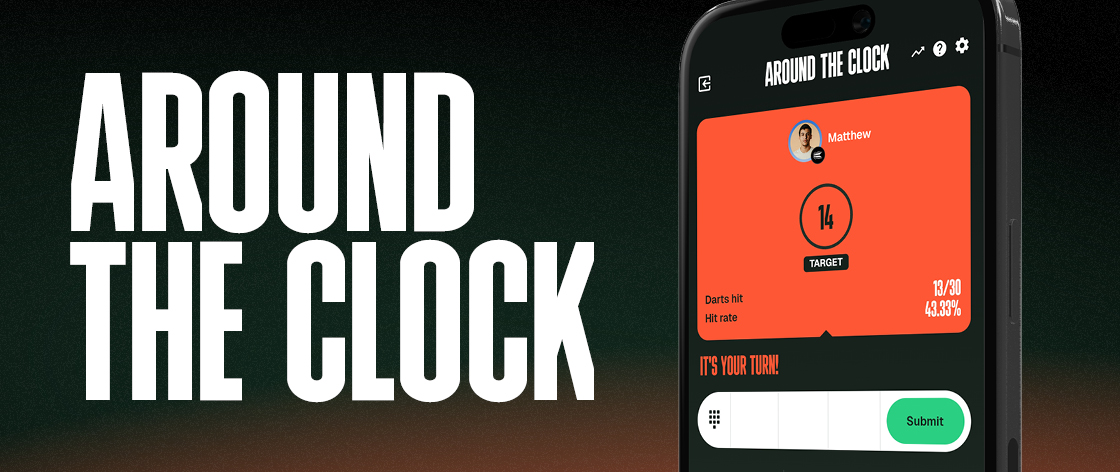
In Around The Clock, you remain on the active target until you hit it. Once you succeed, you move on and may be able to aim at the next number with the remaining darts in your turn. Scoring is also different. Singles Training awards one point for a single, two for a double and three for a treble. Around The Clock focuses more on completing the full sequence efficiently.
Singles Training therefore works well as a fixed and repeatable accuracy test, while Around The Clock places more emphasis on progressing through every required target.
Singles Training vs Score Training
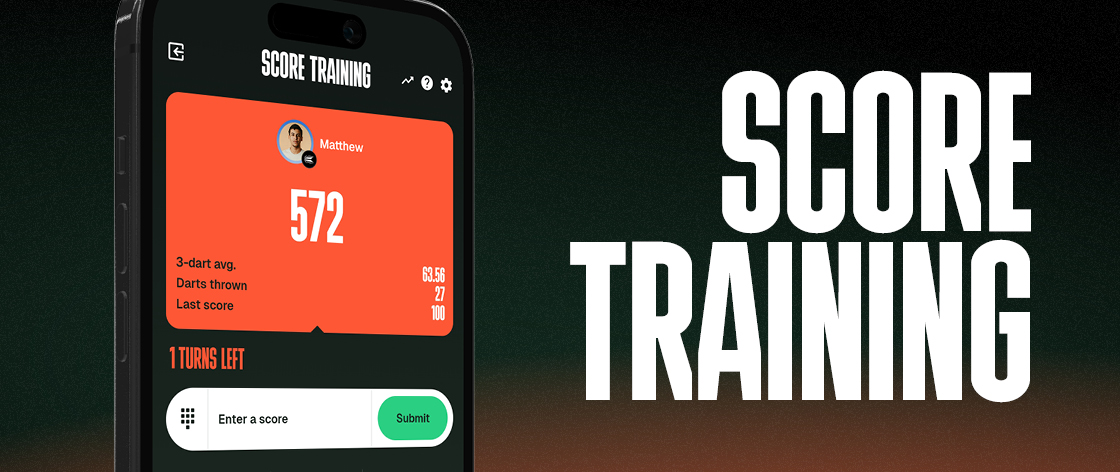
Singles Training and Score Training both measure throwing performance, but they focus on different skills. Score Training lets you choose where to aim and encourages high-scoring visits. Most players will naturally focus on areas such as the 20 segment and treble 20.
Singles Training gives you a different target every round. You cannot stay on your preferred scoring number, and hitting a single 1 is worth exactly the same as hitting a single 20. Score Training therefore focuses more on scoring power and averages, while Singles Training focuses on how accurately you can adapt to different targets across the board.
Combining both games can help you develop strong scoring on familiar targets while also improving control on numbers that appear less often during regular match play. Players who want to focus specifically on finishing can continue with Doubles Training or Bob's 27. For complete checkout routes, our darts checkout guide explains common combinations, while the checkout calculator can help with a specific remaining score.
Improve your accuracy with Ultimate
Use Ultimate to track your practice, review your progress and get more insight into your accuracy around the dartboard.
Explore Ultimate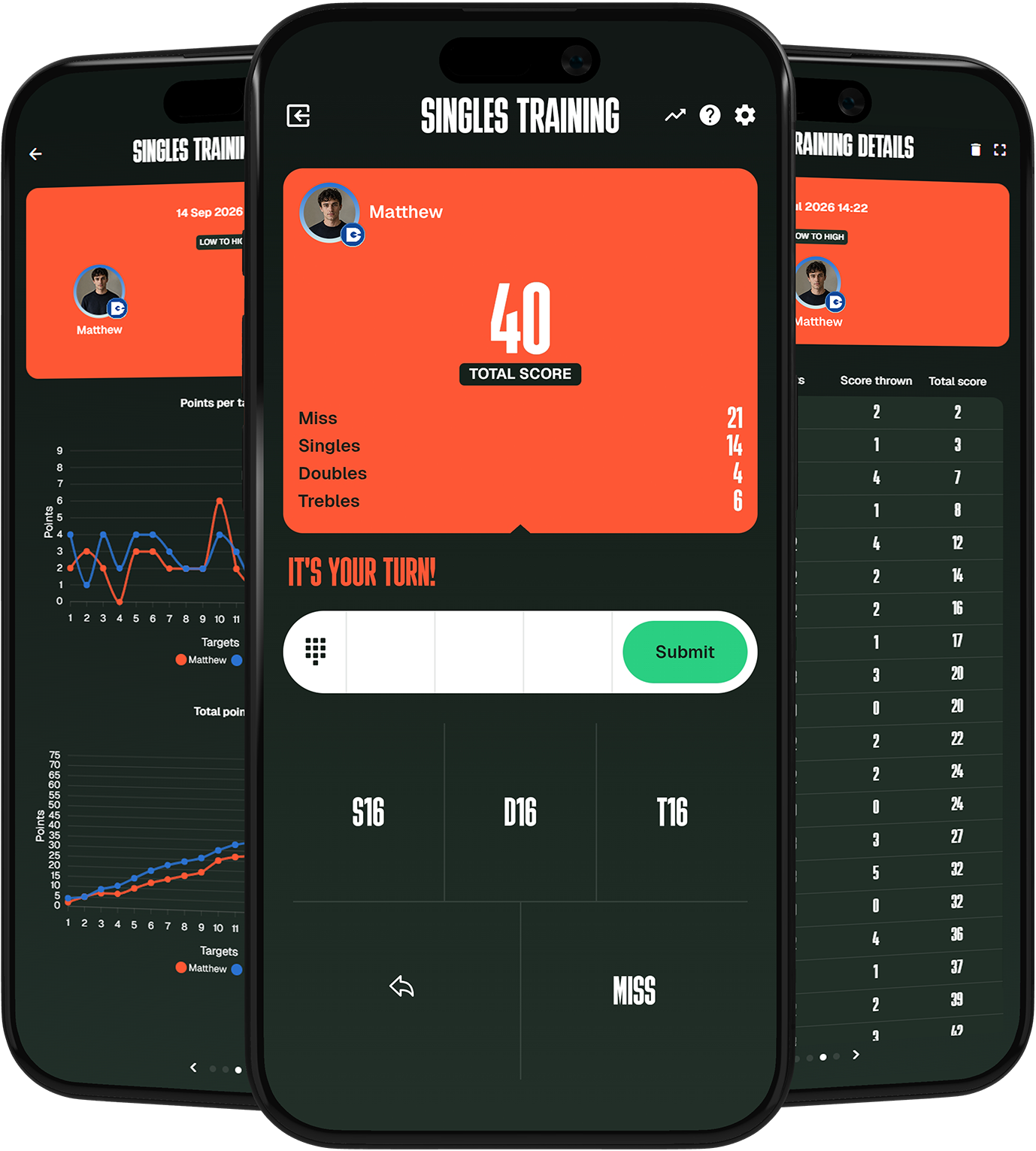
Explore more darts games